
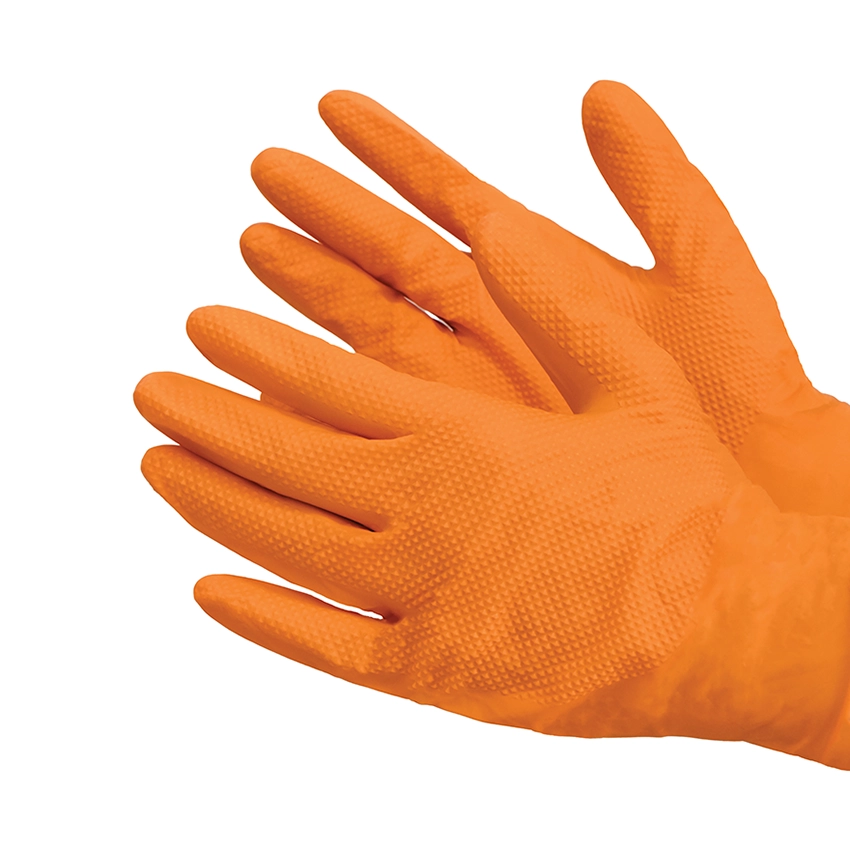
In today’s world, nitrile gloves have become a ubiquitous presence, especially in industries where hand protection is paramount. But what exactly are nitrile gloves, and why are they so widely used? In this comprehensive guide, we’ll delve into the world of nitrile gloves, covering their composition, manufacturing process, and the myriad applications where they shine.
Understanding the Composition of Nitrile Gloves
Nitrile gloves are synthetic gloves made from a polymer known as nitrile rubber. This polymer is derived from acrylonitrile and butadiene, which are combined through a process called copolymerization. The result is a material that boasts several key properties, making it an ideal choice for a range of industries.
The Manufacturing Process
Nitrile gloves are produced through a series of manufacturing steps:
- Synthesis of Nitrile Rubber
The first step involves the creation of nitrile rubber through the copolymerization of acrylonitrile and butadiene. This step determines the material’s fundamental properties, such as chemical resistance and flexibility.
- Compounding
During this phase, various additives are mixed with the nitrile rubber. These additives can include accelerators, stabilizers, colorants, and texture-enhancing agents. The specific blend of additives can be adjusted to meet the requirements of different applications.
- Forming Gloves
The compounded nitrile rubber is then processed into glove form using a molding or dipping process. The choice of method depends on the glove’s intended use and the desired characteristics.
- Vulcanization
To improve the strength and durability of nitrile gloves, they are subjected to a vulcanization process. This involves heating the gloves while they are still in their mold forms, which cross-links the polymer chains and enhances their resilience.
- Quality Control
Rigorous quality control measures are implemented to ensure that the gloves meet industry standards for strength, thickness, and other essential characteristics.
Key Properties of Nitrile Gloves
Nitrile gloves offer several key advantages, making them a preferred choice in many industries:
- Chemical Resistance: Nitrile gloves are highly resistant to a wide range of chemicals and solvents, making them invaluable in laboratories, manufacturing, and the automotive industry.
- Puncture Resistance: These gloves are known for their robustness, providing excellent protection against punctures and tears. This is particularly important in medical and industrial settings.
- Latex-Free: Nitrile gloves are latex-free, which is crucial for individuals with latex allergies, making them suitable for use in healthcare and food service.
- Comfort and Fit: Nitrile gloves offer a snug and comfortable fit, ensuring that wearers can maintain dexterity and tactile sensitivity while performing tasks.
Applications Across Industries
Nitrile gloves find applications in various industries, including:
- Healthcare: In medical settings, nitrile gloves are used by healthcare professionals for surgeries, examinations, and general patient care due to their exceptional barrier properties.
- Automotive: Automotive mechanics rely on nitrile gloves to protect their hands from oils, lubricants, and chemical fluids while maintaining the ability to handle tools and components with precision.
- Food Service: Nitrile gloves are essential in food service to maintain hygiene standards and prevent cross-contamination.
- Laboratory and Research: Scientists and researchers use nitrile gloves to handle chemicals and biological materials safely, thanks to their chemical resistance.
- Manufacturing: Nitrile gloves are a staple in manufacturing industries, where they shield workers from a variety of hazards while allowing them to perform intricate tasks.
Nitrile gloves, with their unique composition and versatile properties, have become a cornerstone of safety and protection across a wide spectrum of industries. Their synthetic nature, resistance to chemicals, and latex-free design make them a reliable choice for professionals who demand the best in hand protection. Whether you’re in healthcare, automotive, food service, or laboratory work, understanding what a nitrile glove is and their capabilities is essential for ensuring safety, precision, and overall performance in your chosen field.